

Days Without Incident: Seven

Trigger warnings: self-harm, suicide, molestation, sexual assault, and CPTSD.
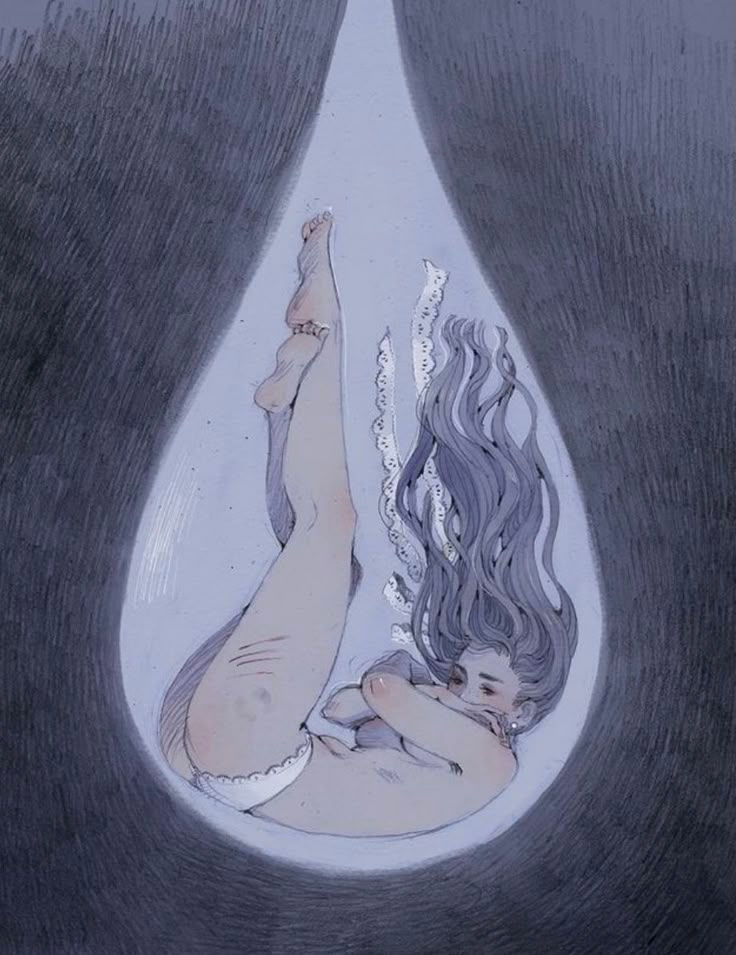
I’ve learned a lot about myself as I have navigated through the urges. I haven’t taken a blade to my skin in maybe two years. I’m proud of that. I’m not so proud to admit that I sometimes grow my nails out and sharpen them so that I can dig them into my arm or leg when I’m feeling numb. But I’ve come to a place where I don’t feel the need to leave something more permanent behind during an episode. I’ve come to realize that the pain I’m causing myself isn’t for display to show others how much I'm hurting on the inside. It’s to calm the fire alarms going off in my nervous system, and there are plenty of more constructive ways to do so that don’t include self-mutilation.
Nothing is more comforting than statistics. I know I sound like that crazy math teacher you had in high school that you never thought you’d think about after graduation, but it’s true. I use statistics like a safety blanket. I use them like I did my scars: to show others that there is chaos inside of everyone.
Research on the effects of childhood abuse on adults began in the 80s and 90s. Yes, the 1990s. While psychologists have been interested and have considered these effects, official, government-regulated studies were not permitted until very recently. When psychologists first tried to define CPTSD and establish a baseline for treatment and study of the disorder, it was just called DESNOS, or “Disorders of Extreme Stress, Not Otherwise Specified.” (B. Van Der Kolk and S. Pratt, 2021).
If I wrote publicly about these “urges” in the 1970s, I would probably be subjected to a lobotomy or electro-shock therapy. There just wasn’t enough research about what made people feel this way. It’s not like these thoughts just started popping up in people’s brains. I wonder if my mom experienced these symptoms as she was growing up in a broken home, or if my dad ever questioned if there was something different about himself?
CPTSD can result from exposure to sexual violence, molestation, physical abuse, and a number of other personal traumas. Children develop symptoms similar to combat veterans with PTSD, with a few additional distinctions including extreme dissociation and trouble managing their emotions (Complex PTSD, 2024). It’s important to understand that you can’t treat a disorder that isn’t defined. If there aren’t ways to clearly distinguish CPTSD from depression or anxiety disorders, then we will continue to fight a losing battle against trying to better ourselves, or society, and our understanding of our fellow human beings.
Bessel Van Der Kolkata, M.D., author of The Body Keeps the Score states that child abuse is “the gravest and most costly public health issue in the United States….” (B. Van Der Kolk and S. Pratt, 2021). In Chapter 9 of his book, he takes a look at Vincent Filitti’s invention of the ACE study. The study was meant to reveal that incidents of abuse are never stand-alone events. For each traumatic experience recorded, the damage is displayed over time. As your ACE score rises so does your likelihood of: having chronic depression, becoming an alcoholic, being “r-worded” later in life, becoming suicidal, becoming obese, becoming pregnant unintentionally, contracting an STD, and even getting cancer or other chronic health conditions like heart or immune disorders (B. Van Der Kolk and S. Pratt, 2021).
How is any of this hopeful and comforting you ask? Nobody wants to feel alone. When I feel like that, I use research to remind myself that I’m not alone. There are people out there—friends, partners, or even just researchers—that truly care. They want to understand this disorder so they know how to approach it, not so they can just “cure” it.
Citations:
Van der Kolk, B., & Pratt, S. (2021). The Body Keeps the Score. Penguin Random House Audio Publishing Group.
Veterans Affairs. Complex PTSD. (2024, October 31). https://www.ptsd.va.gov/understand/what/complex_ptsd.asp


Comments